
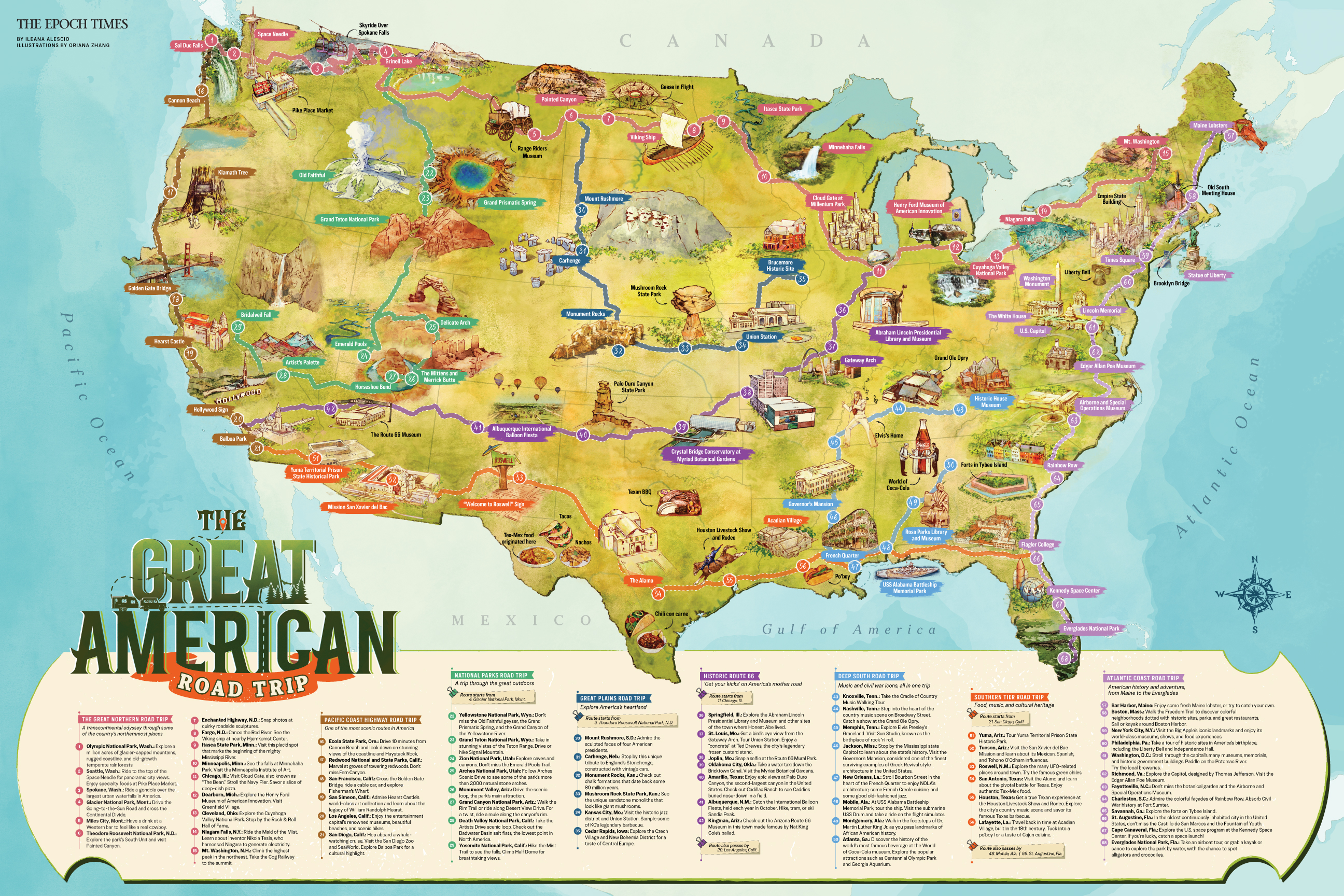
I've been to many of these places, but I know one of the locations well. The fort pictured as location 65 is not actually on Tybee Island, but on Cockspur Island on Savannah River between Tybee Island and the port of Savannah: it's Fort Pulaski, named after Casimir Pulaski, a Polish nobleman who came to join the Revolution and fought alongside Americans because he believed in their program of liberty. He once saved the life of George Washington and is honored by an equestrian statue in Savannah.
About twenty-five years ago I worked on a documentary interviewing the CCC veterans who had restored Fort Pulaski during the Depression, as an oral history project while pursuing a degree in that discipline. They were a fun crew of older gentlemen with good stories to tell about the CCC and the War. I mentioned that experience about ten years ago.
Savannah has another fort, Fort James Jackson, named after that hero of the Revolution and early Georgia history. It's also a brickwork fort, an older installation that Pulaski was intended to replace. It was not reduced during the Civil War because the Union Navy was content to bottle up Savannah further up the river, though Sherman's army occupied it when they took the city much later in the war. It's quite lovely and right by the city; it's where the local Scottish Highland Games are held.
A third fort, Fort McAllister, was an earthwork fort that was much more successful at resisting rifled naval artillery than brickwork designs proved to be. It was attacked seven times but not taken or reduced until Sherman captured it with land forces. The Wikipedia page has an interesting anecdote I had not heard:
During the evening that the fort fell, [the fort's defending commander] Anderson was being held at the McAllister family home, the new headquarters of General William Babcock Hazen. General Hazen and Lt. Col. Strong invited General Sherman to dinner, to celebrate their victory. In a kind gesture of respect, General Hazen also invited Major Anderson to attend the meal, after clearing the request with Sherman. The discussion was surely lively - during the meal Anderson engaged in a heated exchange with General Sherman about the tactics employed to defend the fort and the bravery of all who fought there. Cigars were exchanged and smoked, and tributes were made to the fallen. However, Sherman remained greatly upset at Anderson's use of land mines in the defense of the fort, and ordered the Major [General] to personally join his fellow captured Confederates on mine-clearing detail.
My wife painted the ruins of Fort McAllister once when she was pursing a fine arts degree at the Savannah College of Art and Design. I don't know after whom the fort was named; the family was locally important. One of them was mayor of Savannah and his son was a state senator. I would guess it was probably one of them.
The map has many other interesting locations, and is fun to explore.

6 comments:
When I was 7 we took a trip to flyover country to see our grandparents. There were photos of me lying down in front of a cannon at Gettysburg. We visited New Salem, Ill. where Lincoln used to live. There are also photos of that visit. (At the time, relatives lived in Springfield.)
When I was 9, when a grandmother was visiting, we traveled to Plymouth Mass, famed for the Rock and for some old house replications (Like New Salem.)
While I have seen photos of my having been to those places, I have no memory of having been there. Just the photos.
Jan Morris wrote a book about her travels in the US in the 1950s.
Coast to Coast: A Journey Across 1950s America
Gringo
While I have seen the photos, I have no memory of having visited those places.
Well, my home state made the list! Though I'm surprised it is my old abode and not the Golden Dome in Des Moines or the old Capitol in Iowa CIty which are more usually remarked on. Czech influence factors into a fair bit of eastern Iowa culture from the last waves of immigration that staffed meat packing and heavy industrial workplaces in the post-Civil War era to the early 1900s, even though the dominant culture was German and Scandinavian farmers.
As a proud Virginian, I have to call foul on this map. Edgar Allan Poe museum as the only thing in VA???? I've never even heard of it-- the main Poe museum is in Baltimore, not Richmond. The obvious choices would either have been to route the driver down the Shenandoah parkway, or to go to Colonial Williamsburg (both of which are world-class, in their own way). Or any of the many Civil War battlefields-- or if you MUST go to Richmond, then go to Tredegar Iron Works, and the Civil War era hospital/POW camp next to it. Or go for a stroll on the boardwalk at Virginia Beach. Swing through Jefferson's home at Monticello. Don't get me wrong, I love Poe's work, but the museum in Richmond should not be on this map.
--Janet
I imagine no one could really write a comprehensive version of this map! They got significant details wrong even in the brief on #65, as I mentioned.
Yeah, as I noted for Iowa the map picks on some odd stuff and I noticed looking at it this morning that Kentucky doesn't rate a mention despite the notoriety of both Louisville Slugger and the Kentucky Derby and could easily serve as the starting point for the Deep South Road Trip. I'm also not quite sure what century Grim is referring to since both Carhenge and the Enchanted Highway weren't fashioned until the late 1980s, though they both could be viewed as homages to similarly quirky roadside attractions from the post-WWII era.
I liked the inclusion of some of the offbeat attractions - that's very American in itself - but it means leaving things out. I had a similar reaction to Janet's about Virginia. Appalachia as a whole gets remembered for music and nothing else. New England gets the Revolution and a couple of tourist places.
Still, I liked the framing. Nearly all of those are Trips I'd Like to Take.
Post a Comment